BERLIN • GERMANY

Interactive Berlin Travel Guide

Berlin is the city built from broken pieces — the pre-war classical west, the post-war Soviet east (Karl-Marx-Allee's Stalinist socialist realism still standing), the 1990s rave-and-art reunification energy, and the contemporary global-creative layer sitting on top of all of it. Walk Mitte's Museum Island and you're looking at 19th-century Wilhelmine grandeur; cross to Kreuzberg and the post-1990 creative energy is still recognisable; the Berghain queues still form on Saturday nights. The trick is to walk the layers: morning coffee at Bonanza or Five Elephant, an hour at Foster's Reichstag dome or Libeskind's Jewish Museum, a kebab at Mustafa's, an East Side Gallery walk, Markthalle Neun on a Thursday, a 9pm dinner, late at Klunkerkranich's rooftop or in Friedrichshain. The U-Bahn runs nine lines; the S-Bahn fills the rest including the Ringbahn S41/S42 circling the inner city; the iconic yellow trams cover what was once East Berlin. May through September is the prize. Explore Berlin by neighbourhood, by route and by season — edited for design-led travellers, returning Berliners and anyone planning a first trip to Germany.
Local Time Loading… CET · observes daylight saving (CET winter, CEST summer)
Population 3.7M city ~6M Berlin-Brandenburg metro · Germany's largest city
Transit U-Bahn + S-Bahn + Trams 9 U-Bahn lines · Ringbahn S41/S42 circle · yellow trams in the east
Best Months May–Sep 16h daylight in June · lakes and Tempelhofer Feld · the prize months
Neighbourhood Explorer

Six neighbourhoods, four eras

Mitte for the historic Museum Island and Reichstag. Kreuzberg for Markthalle Neun and the alternative scene. Neukölln for Klunkerkranich and Tempelhofer Feld. Friedrichshain for Berghain and the East Side Gallery. Prenzlauer Berg for Kollwitzplatz and Mauerpark. Charlottenburg for the elegant West Berlin and Schloss Charlottenburg.

Airport

BER

One airport, finally — Berlin Brandenburg (BER) opened in October 2020 after a nine-year delay. The FEX Airport Express runs to Hauptbahnhof in 30 minutes for €4.40, the cheapest, simplest airport rail in Germany.

Transport

BVG & the Ringbahn

Nine U-Bahn lines under the city, the S-Bahn above, and the Ringbahn S41/S42 making a complete circle around the inner city. Yellow trams cover the east. A day ticket costs €9.90.

BERLIN NEIGHBOURHOODS

Six neighbourhoods, four eras

Six Berlin neighbourhoods worth a day each — covering the historic Mitte, the iconic Kreuzberg alternative, the newer Neukölln creative wave, Friedrichshain's club culture, gentrified Prenzlauer Berg, and the elegant West Berlin of Charlottenburg. Click any one to fly the map there.

REICHSTAG · MUSEUM ISLAND · HISTORIC CENTRE

Mitte

The historic centre — Foster's Reichstag dome anchors the west, the Brandenburg Gate stands at Pariser Platz, the Holocaust Memorial (Peter Eisenman) sits one block south. Museum Island runs the five UNESCO museums (Pergamon, Neues, Alte Nationalgalerie, Bode, Altes). Unter den Linden runs east to Alexanderplatz and the Fernsehturm. Chipperfield's James-Simon-Galerie added the contemporary entrance. KW Institute for Contemporary Art on Auguststraße for the gallery scene. Cocktails at Buck and Breck (8 seats, no signage), dinner at Cookies Cream or Bandol sur Mer. The starchitect day starts here.

Best atMorning at Reichstag (book ahead)
Walk toKreuzberg · 20 min south
Skip ifYou came only for the alternative
BERLIN TRANSPORT

How BVG actually works

Berlin's transit network is one of Europe's best-integrated: nine U-Bahn lines under the city, the S-Bahn above (including the Ringbahn S41/S42 circling the inner city — a Berlin-specific feature), iconic yellow trams covering what was once East Berlin, plus buses and the occasional BVG ferry. A €9.90 day pass covers the lot. The four modes that matter most for design-led visitors:

U1 (Green) The Kreuzberg line. Warschauer Straße → Schlesisches Tor → Görlitzer Bahnhof → Kottbusser Tor → Schöneberg → Uhlandstraße.
U2 (Red) The east-west spine. Pankow → Eberswalder → Alexanderplatz → Potsdamer Platz → Zoologischer Garten → Charlottenburg → Ruhleben.
S-Bahn Ringbahn (S41/S42) The complete inner-city circle. ~37 stations · ~1 hour around · clockwise S41, counter-clockwise S42.
Trams M10 The iconic East Berlin yellow trams. Warschauer Straße → Friedrichshain → Prenzlauer Berg → Hauptbahnhof.
AIRPORT ACCESS

BER (Brandenburg)

Berlin Brandenburg Airport (BER) finally opened in October 2020 after nine years of delays — replacing Tegel and Schönefeld with one consolidated hub 18 km southeast of central Berlin. Two access modes that matter: the FEX Airport Express plus S-Bahn options, or a taxi for the direct comfort run.

FEX + S-Bahn · Cheap & Direct

Airport Express + S-Bahn

~30 min

The Flughafen Express (FEX) runs direct from BER to Berlin Hauptbahnhof every 30 minutes, stopping at Ostkreuz and Gesundbrunnen — about 30 minutes end to end for €4.40 on a BVG single ticket. The S9 and S45 S-Bahn lines connect BER to more central stations (S9 to Friedrichstraße, Alexanderplatz; S45 to Südkreuz) but take 40-50 minutes. The Regional Express trains (RE7, RB14) also serve the airport. The cheapest, simplest airport rail in Germany — buy your ticket from the platform machine, tap on, no further validation needed.

Distance18 km from BER to centre
Fare€4.40 single (Berlin ABC zones)
Best forMost of the city · cheaper · scheduled
CITY COMPARISON

Berlin, measured against the rest

How Berlin stacks up against the other Central and Northern European cities most travellers weigh it against. Specific numbers where they matter; an honest one-liner where they don't.

Berlin Hamburg
Metro population 6M Berlin-Brandenburg 5.3M Hamburg metro
Transit U-Bahn · 9 lines + Ringbahn U-Bahn + S-Bahn · 4 + 6 lines
Walkable centre Mitte but city sprawls Altstadt + HafenCity
Climate Continental · sharp winters Maritime · milder · wetter
You'll need A BVG day pass · walking shoes An HVV ticket + an umbrella
Solo at night Mostly safe everywhere Anywhere, anytime
Coffee (flat white) €4.50 €4.80
LIVE BERLIN

Berlin right now

Berlin's current shape, computed from the actual time of day there. The city runs on its own rhythm — late mornings, long evenings, the famous Berghain club hour running Friday through Monday morning.

Local Time Loading… Central European Time
Season
Right Now
Today
LIVE BERLIN

BERLIN ROUTES

Four ways to see Berlin

Four curated routes through the city built from broken pieces — the architecture and history day, the Cold War Wall layer, the contemporary creative scene, and a proper Berlin night. Each built around real places and the U-Bahn, S-Bahn, trams and walking between them.

DESIGN ROUTE · FULL DAY · STARCHITECTS & MUSEUMS

Architecture & History

The classical architecture day — Foster's Reichstag dome (book ahead), the Brandenburg Gate, Eisenman's Holocaust Memorial, Libeskind's Jewish Museum, Mies van der Rohe's Neue Nationalgalerie. Six centuries of Berlin's building history walked in a long day.

  1. 1
    Reichstag dome + Brandenburg Gate 10:00 — Foster's 1999 glass dome rebuild · book the free dome visit ahead via bundestag.de · then the Gate at Pariser Platz
  2. 2
    Holocaust Memorial + Museum Island 12:00 — Peter Eisenman's field of 2,711 concrete stelae · then north through Unter den Linden to Museum Island (Pergamon, Neues, Alte Nationalgalerie)
  3. 3
    Jewish Museum (Libeskind) 15:00 — Daniel Libeskind's zigzag void · one of the most powerful museum architecture experiences in Europe · the Garden of Exile outside
  4. 4
    Neue Nationalgalerie + Potsdamer Platz 17:30 — Mies van der Rohe's 1968 modernist glass pavilion (Chipperfield-renovated 2021) · then Renzo Piano's Potsdamer Platz across the road
BERLIN THROUGH THE YEAR

Berlin by season

Berlin has four sharp continental seasons — summer is the obvious prize (16-hour daylight, lakes, the open city), December is the underrated close second (Weihnachtsmärkte and indoor culture), and November is the hardest month before the markets open. Four versions, with a route paired to each.

SUMMER · JUN–AUG

The Prize

June through August. The obvious best window — 16+ hours of daylight in June, mild temperatures (18-25°C usually, occasional 30°C+ heat waves), the city outside until midnight, swimming at Schlachtensee and Wannsee, Tempelhofer Feld full, beer gardens in every park. Pair with Contemporary Creative — Klunkerkranich rooftop at sunset is the season's signature.

WINTER · DEC

Weihnachtsmärkte Season

December specifically. Cold (-5 to 5°C), grey, often with snow flurries — but Gendarmenmarkt, Charlottenburg, Alexanderplatz and a dozen smaller squares run Weihnachtsmärkte (Christmas markets) with glühwein, bratwurst, wooden decorations. The indoor culture at peak — the museums, the bars, the clubs all in winter mode. Pair with Architecture & History — the museums and indoor architecture at their best.

SPRING · APR–MAY

The Slow Emergence

April through May. The city slowly emerges — cherry blossoms in Britz (Kirschblütenfest) in April, Tempelhofer Feld returning to use, beer gardens reopening by late April, daylight stretching past 9pm by May. Cool (8-18°C), often unpredictable. Less crowded than summer. Pair with Cold War Berlin — the outdoor sites (East Side Gallery, Bernauer Straße) at the right weather.

AUTUMN · SEP–NOV

Golden Then Hard

September through November. Golden September with the parks at their most beautiful, golden October, then November as the hardest month of the Berlin year — dark by 5pm, often grey and wet, before the Christmas markets open. Berlin Art Week in mid-September. Pair with Berlin Night — the early-dark hours mean dinner-and-clubs extends naturally.

BERLIN PRODUCTS

Bring Berlin home

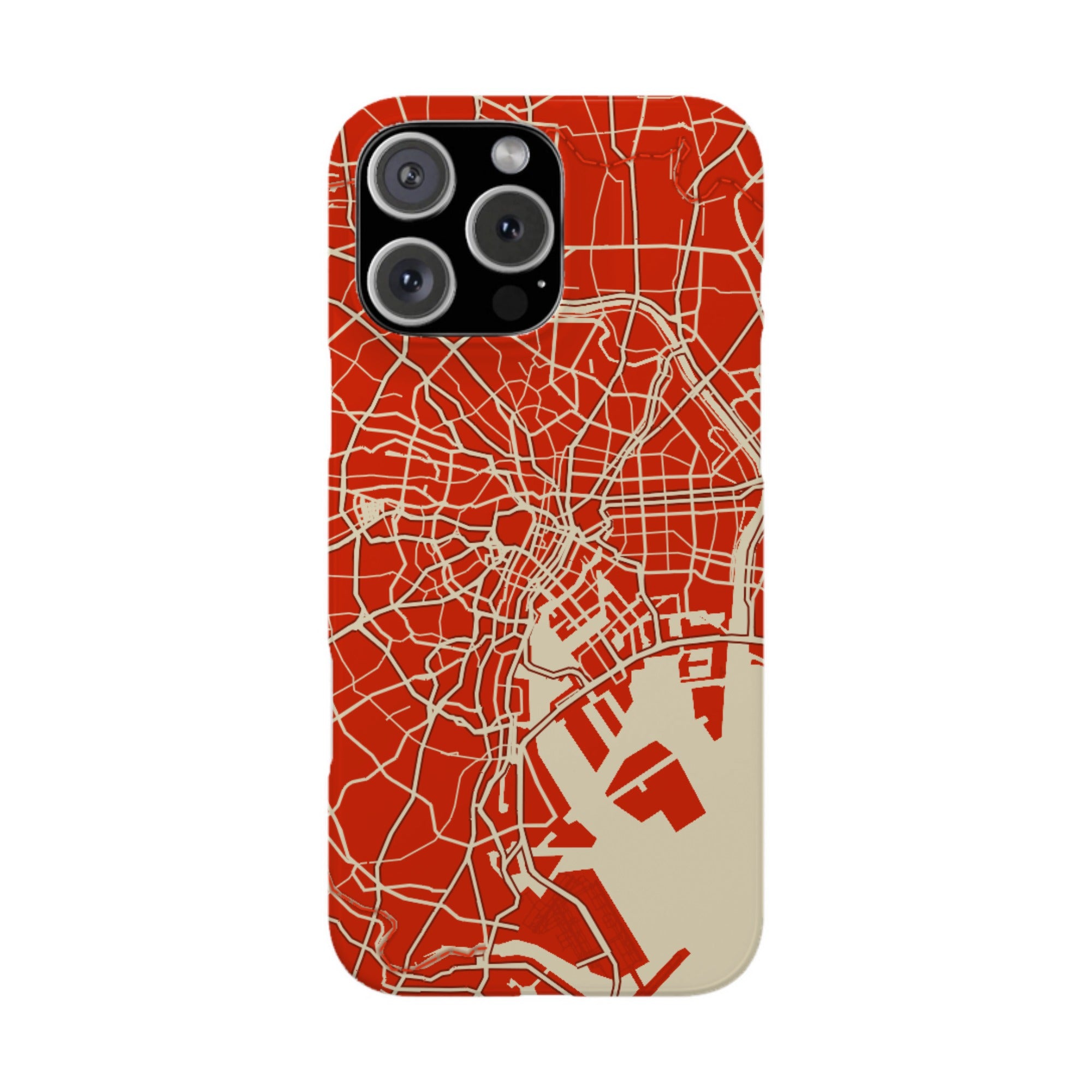
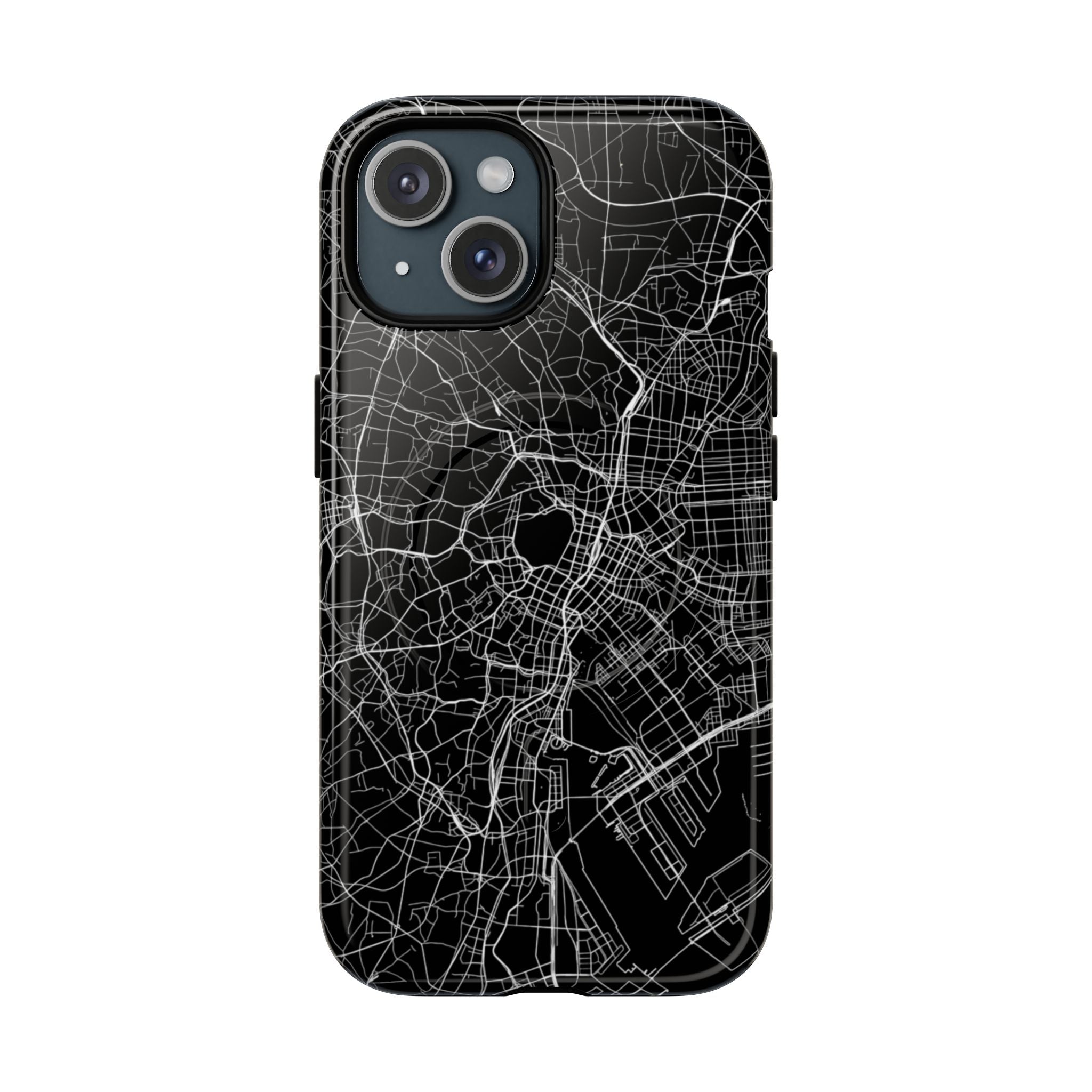
Three Berlin pieces from the Antipode shop — designed for design-led travellers, returning Berliners and anyone who wants the city on their wall or in their pocket.

View all Berlin products →

MORE ABOUT BERLIN GERMANY

Berlin is the city built from broken pieces — the pre-war classical west (the Reichstag, Brandenburg Gate, Charlottenburg's elegant streets), the post-war Soviet east (Karl-Marx-Allee's Stalinist socialist realism, the Fernsehturm at Alexanderplatz, the entire eastern half built or rebuilt under the GDR), the 1990s rave-and-art reunification energy that turned abandoned power stations into Berghain and squat houses into the East Side Gallery, and the contemporary global-creative layer of Markthalle Neun, Klunkerkranich rooftops and the Norman Foster Reichstag dome sitting on top of all of it. The trick is to walk the layers: morning coffee at Bonanza or Five Elephant in Kreuzberg, an hour at Foster's Reichstag dome (book free entry ahead via bundestag.de) or Daniel Libeskind's 1999 Jewish Museum with its zigzag void, a kebab at Mustafa's Gemüse Kebap or Sunday brunch at Cocolo, an East Side Gallery walk along the longest preserved Wall section in the city (1.3km, painted by 118 artists in 1990), Markthalle Neun on a Thursday for Street Food Thursday, a 9pm dinner at Coda or Nobelhart & Schmutzig, late at Klunkerkranich's rooftop or Berghain in Friedrichshain. The U-Bahn runs nine lines under the city; the S-Bahn fills the rest including the Ringbahn S41/S42 making a complete circle around the inner city; the iconic yellow trams cover what was once East Berlin. BER airport opened in October 2020 after nine years of delays and the FEX Airport Express now runs to Hauptbahnhof in 30 minutes for €4.40. Six neighbourhoods cover the four eras — Mitte for the historic and Museum Island, Kreuzberg for the alternative and Markthalle Neun, Neukölln for Klunkerkranich and Tempelhofer Feld, Friedrichshain for Berghain and the East Side Gallery, Prenzlauer Berg for Kollwitzplatz and Mauerpark's Sunday flea, Charlottenburg for the elegant West Berlin and C/O Berlin photography.

Antipode's interactive Berlin travel guide is built around that layered idea — walk the eras, neighbourhood by neighbourhood, on the U-Bahn or the yellow trams. Explore Berlin by neighbourhood, from Mitte's Reichstag-and-Museum-Island historic core to Kreuzberg's iconic alternative scene at Markthalle Neun and the Turkish Market on Maybachufer, Neukölln's post-2010 creative wave with the Klunkerkranich rooftop atop the Arcaden shopping centre and the 300-hectare Tempelhofer Feld where the Nazi-era airport hangars and runway still stand, Friedrichshain's club culture with Berghain in the converted GDR power station and the East Side Gallery's painted Wall, Prenzlauer Berg's gentrified Altbau streets with Konnopke's Imbiss currywurst at Eberswalder and the Mauerpark Sunday karaoke amphitheatre, and Charlottenburg's elegant West Berlin with Schloss Charlottenburg, the Kurfürstendamm shopping boulevard, and C/O Berlin's photography exhibitions in the former Amerika Haus. Choose between the FEX Airport Express that runs from BER to Hauptbahnhof in 30 minutes for €4.40 (the cheapest, simplest airport rail in Germany after a nine-year delay nobody in Berlin has stopped joking about) and a taxi or rideshare for €45-70 if you have heavy luggage or arrived late. Visualise the four BVG modes that matter — U1 green through Kreuzberg, U2 red east-west through Alexanderplatz and Potsdamer Platz to Charlottenburg, the Ringbahn S41/S42 brown making the complete inner-city circle that's a Berlin-specific transit feature most other capitals don't have, and the M10 yellow trams covering what was once East Berlin between Friedrichshain, Prenzlauer Berg and Hauptbahnhof. Follow curated routes through an architecture-and-history day with Foster's Reichstag, Eisenman's Holocaust Memorial, Libeskind's Jewish Museum, Mies van der Rohe's Neue Nationalgalerie (Chipperfield-renovated 2021) and Renzo Piano's Potsdamer Platz; a Cold War Berlin day from Checkpoint Charlie through Topography of Terror to the powerful Berlin Wall Memorial at Bernauer Straße and the East Side Gallery; a contemporary creative day with Markthalle Neun, Hamburger Bahnhof, KW Institute, C/O Berlin and the Klunkerkranich rooftop sunset; and a Berlin night from Buck and Breck's 8-seat speakeasy through Coda dinner to The Clumsies-equivalent late hours at Trust or the famous Berghain queue. Visit during May-September for the prize months with 16+ hours of daylight in June and harbour-equivalent swimming at Schlachtensee and Wannsee — or December for the Weihnachtsmärkte at Gendarmenmarkt and Charlottenburg as the underrated close second. Tap any neighbourhood, line or season and the city moves with you — built for design-led travellers, returning Berliners and anyone planning a first trip to Germany.