
JET LAG RECOVERY PLANNER
Jet lag isn’t just about sleep — it’s about timing, direction, and recovery.
This planner helps you understand how long-haul travel will affect your body clock, how severe jet lag is likely to be, and what to prioritise when you arrive — from light exposure to recovery windows and rest strategy.
What is an antipode?
An antipode is the point on the Earth’s surface that lies exactly opposite another location. Two antipodal points are separated by the Earth’s full diameter, meaning they are always approximately 20,015 kilometres (12,430 miles) apart along a great-circle route.
In most cases, an antipode falls in the ocean rather than on land, as the Earth’s landmasses are unevenly distributed across the globe. Only a small number of locations have land-to-land antipodes.
THE ANTIPODE GUIDE

Jet Lag by Time Zone: Recovery Chart

How to Recover From Jet Lag Fast

How Long Does Jet Lag Last? (By Time Zones Crossed)
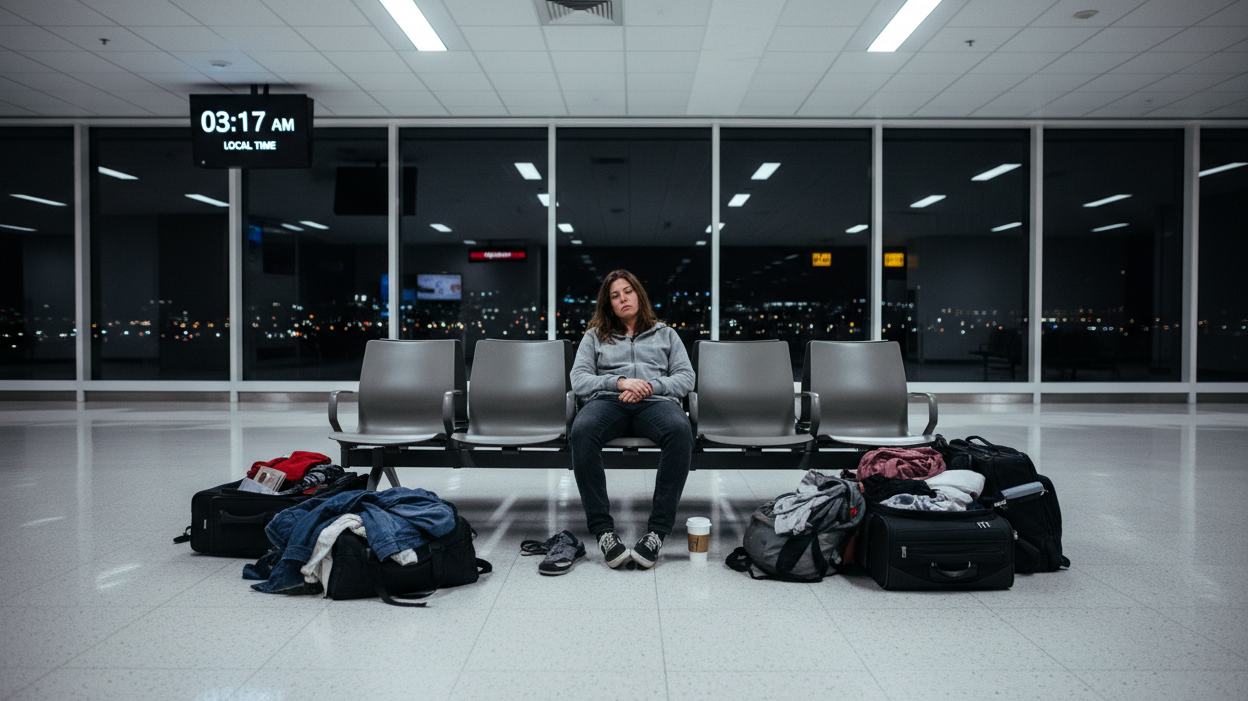
How to Prepare for Jet Lag Before a Long Flight

The Science of Jet Lag and Circadian Rhythm
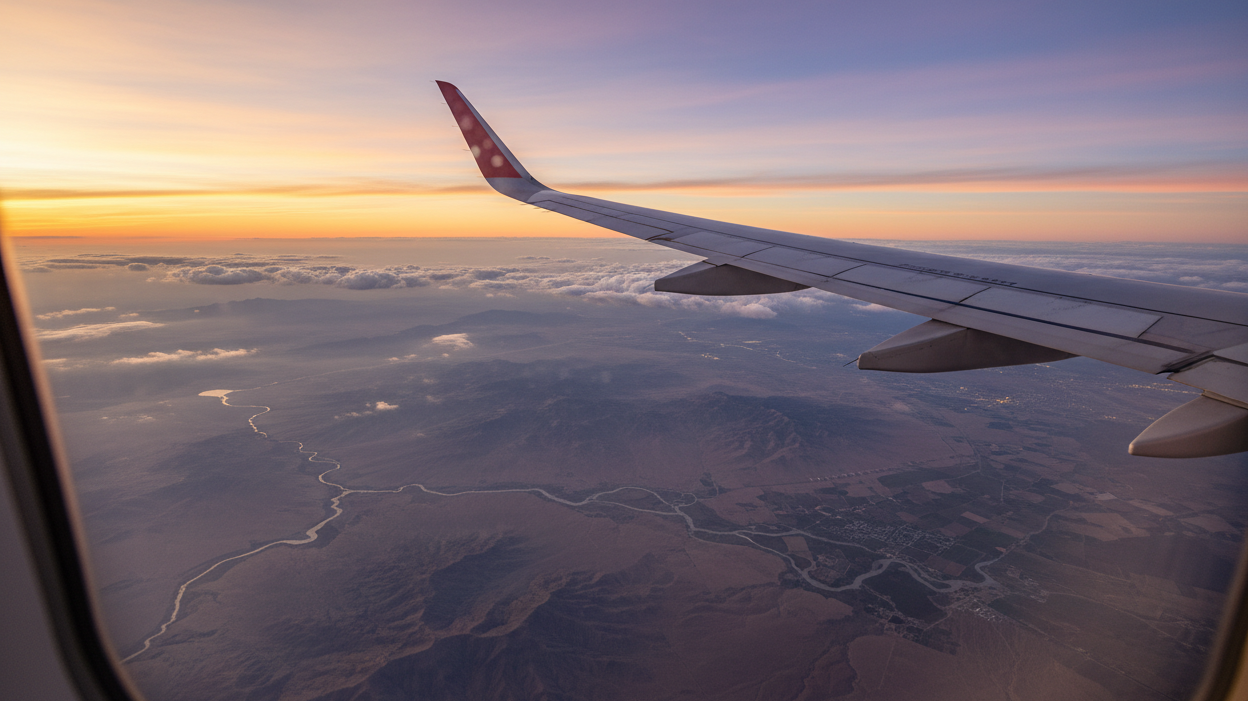
Jet Lag Tips for Flights From Sydney to London

How Many Time Zones Cause Jet Lag?

How to Sleep on a Plane and Avoid Jet Lag

How to Prevent Jet Lag Before You Fly

Jet Lag vs Travel Fatigue: What’s the Difference?
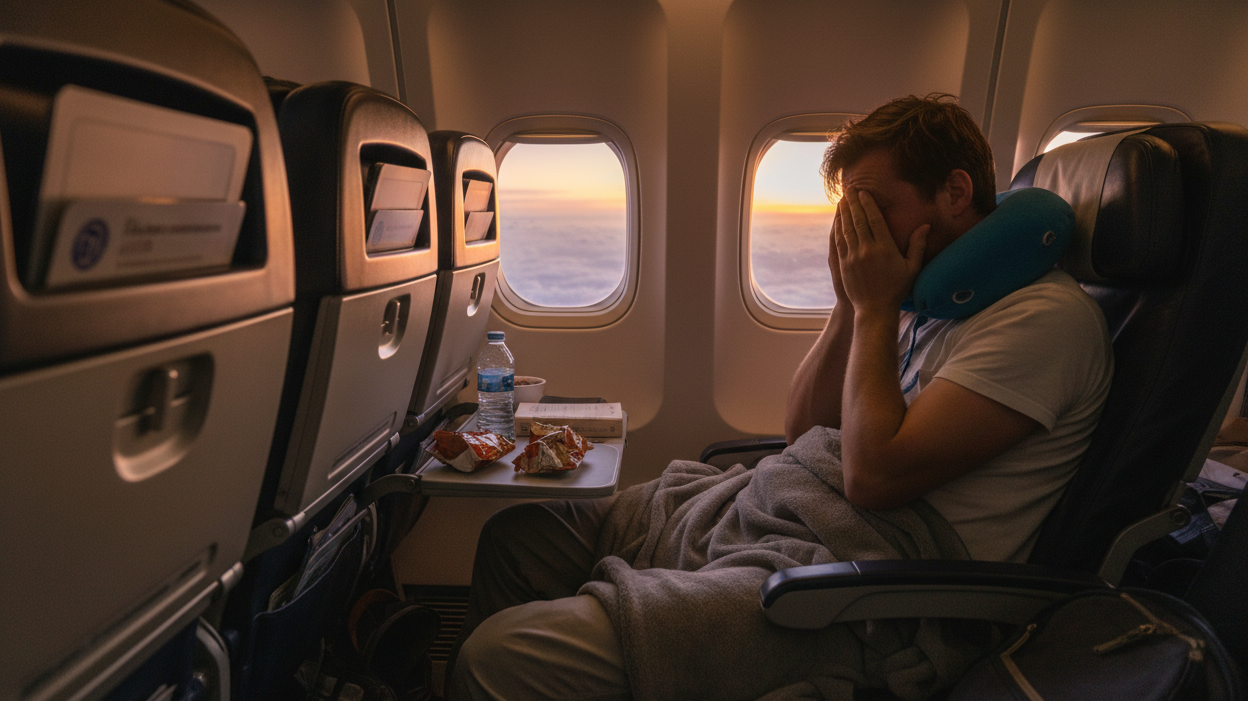
How to Beat Jet Lag: A Science-Backed Guide

What Is Jet Lag? Causes, Symptoms and How to Recover Faster
ANTIPODE FAQ
Can two cities be exact antipodes?
Exact city-to-city antipodes are extremely rare. Some locations come close, but most antipodal pairs involve ocean points rather than populated places.
What exactly is an antipode?
It is the point directly opposite another on Earth — connected through the planet’s center. If you could drill straight down through your location, you would emerge at your antipode.
Why do most antipodes fall in the ocean?
Because Earth’s landmasses are clustered on one side of the planet. Over 90% of all antipodes place one point on land and the other in open ocean.
Do any major cities have true land-to-land antipodes?
A few rare pairs exist, including parts of New Zealand ↔ Spain, and parts of Argentina ↔ China. Most large cities do not have a land-based opposite.
Can I share my antipode?
Yes — use the map to find your opposite point, then screenshot or share the coordinates with friends. Yes — use Share Your Antipode to copy a link or generate an image card
