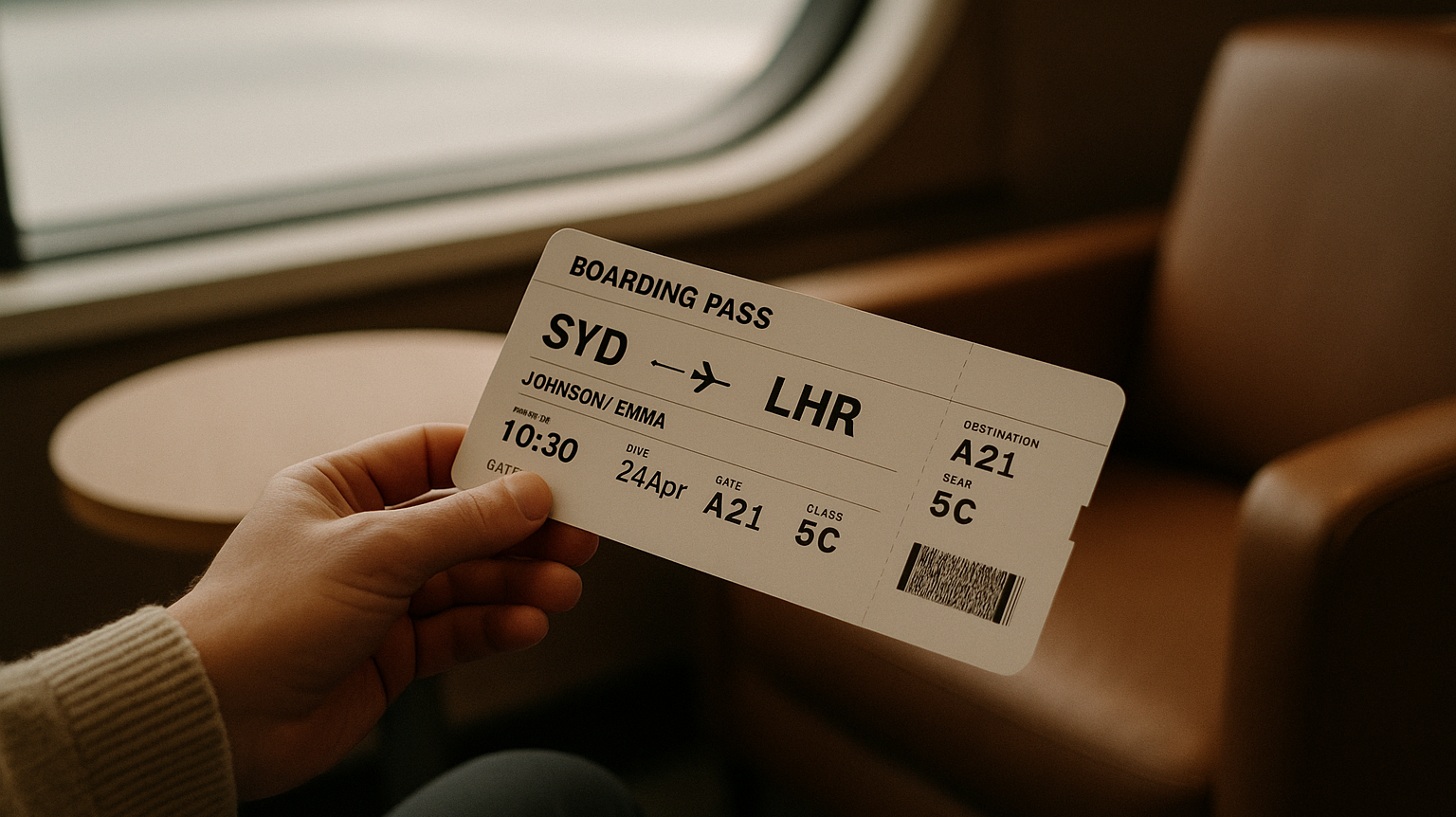
Jet Lag Tips for Flights From Sydney to London
Flying from Sydney to London is one of the longest journeys in commercial aviation, crossing multiple hemispheres and time zones in a single stretch. Jet lag on this route isn’t unusual — but it is manageable with the right approach.
These tips focus on what actually helps on the Sydney–London journey: understanding direction, using light well, and pacing sleep so arrival feels smoother rather than disorienting.
Why Sydney–London Jet Lag Feels Different
Sydney to London is a strongly eastbound journey, which means your body clock is asked to advance — falling asleep earlier than usual rather than staying awake later.
Eastbound travel often feels more challenging because:
-
Time zones are crossed rapidly
-
Local night arrives “earlier” than your body expects
-
Sleep pressure can feel mistimed
On ultra-long routes approaching 22 hours, this effect is amplified by prolonged exposure to changing light and cabin conditions.
For a broader overview of how these journeys work, see Antipode’s Antipode Flight guide.
Start Thinking in London Time Early
A simple mental shift can make a meaningful difference.
Before departure:
-
Begin checking London time during your day
-
Avoid anchoring plans too rigidly to Sydney routines
-
Think of the flight as a transition, not lost time
Using Earth Clock helps visualise how day and night overlap between Sydney and London, making timing decisions feel more intuitive.
Use the Flight to Nudge Your Body Clock
On a Sydney–London flight, sleeping immediately after take-off isn’t always helpful.
Instead:
-
Stay awake during the early part of the flight if possible
-
Plan one longer rest window later, closer to London night
-
Treat sleep as flexible rest rather than a fixed target
Short naps, light dozing, and quiet rest all contribute to adjustment — even if sleep isn’t continuous.
For route-aware guidance, Antipode’s Jet Lag Recovery Planner offers timing suggestions tailored to long eastbound journeys.
Let Light Do Most of the Work
Light exposure is the most powerful tool for reducing jet lag on this route.
Helpful principles include:
-
Seek light when you want to stay awake
-
Reduce light when preparing for rest
-
Use an eye mask during sleep windows
-
Avoid bright screens late in the flight
Because sunlight is limited onboard, cabin lighting becomes a key cue. Understanding when light helps is often more effective than forcing sleep.
Keep Movement and Hydration Simple
On very long flights, comfort compounds over time.
During wake periods:
-
Stand briefly when safe
-
Stretch near your seat
-
Drink water regularly
These small actions help maintain alertness and make rest periods feel more restorative later.
Arrival Day: Think “Stay Awake, Then Sleep”
Landing in London often happens during local daytime.
As tempting as it is to sleep immediately:
-
Try to stay awake until evening
-
Seek daylight exposure after arrival
-
Eat lightly and move gently
Even a slightly early bedtime is usually better than sleeping on arrival, as it helps anchor your body clock to local night.
Expect Adjustment, Not Instant Normality
Jet lag on the Sydney–London route typically fades over a few days.
That’s normal.
Rather than aiming to feel perfect immediately:
-
Focus on light exposure and consistent wake times
-
Allow sleep length to adjust naturally
-
Avoid judging fatigue too closely on day one
Understanding that recovery is gradual often makes it feel easier.
A Manageable, Well-Understood Journey
Sydney to London may be one of the longest routes in the world, but jet lag on this journey follows predictable patterns.
With thoughtful use of light, flexible sleep, and realistic expectations, most travellers find they arrive feeling steadier and more oriented than they expect — even on ultra-long-haul flights operated by airlines such as Qantas through initiatives like Project Sunrise.
This article is part of Antipode’s JET LAG series, offering calm, practical guidance for navigating long-distance travel and time zone changes with confidence.