How to Travel Light: A Guide for Urban Explorers
ANTIPODE — Journal
Traveling light isn’t about deprivation.
It’s about movement. Freedom. Clarity.
It’s the art of carrying only what adds value — and leaving behind anything that slows your momentum.
In cities, this matters more than anywhere else. Urban exploration is fast, dynamic, layered. Streets twist. Trains arrive. Views appear for seconds before dissolving into the skyline. When the only weight you feel is curiosity, you move differently.
This is ANTIPODE’s guide to mastering urban minimalism — how to travel with less, see more, and feel entirely unburdened.
1. Start With Purpose, Not Packing
Most people pack from a place of insecurity:
“What if I need this?” “What if it rains?” “What if…”
Urban explorers flip the question:
“What allows me to move?”
Cities provide everything — cafés, corner stores, transit, taxis, laundromats. You don’t need backups for your backups. You need only what enhances the experience:
-
comfort
-
mobility
-
readiness for weather
-
space for spontaneity
When you pack around purpose instead of fear, half your suitcase disappears before you even begin.
2. Build a Uniform, Not Outfits
Urban minimalists don’t pack clothes — they pack systems.
Choose pieces that mix, layer, and repeat effortlessly:
-
black or neutral T-shirt
-
one overshirt or light jacket
-
dark jeans or tailored trousers
-
one versatile sweater
-
clean sneakers
-
a single elevated piece (like an Akubra or boots, depending on edition)
Mutual compatibility is key.
If everything matches everything, you’ve eliminated decision fatigue and reduced luggage weight by half.
3. One Bag. One Daypack. That’s It.
The moment you add a second suitcase, you’re no longer traveling light — you’re transporting your life.
The ideal setup:
• Carry-on sized main bag
Hard-shell or soft-shell. No bigger than 40L.
• Compact daypack
For your camera, notebook, water bottle, and the essentials of the day.
Anything more becomes drag — physically and mentally.
4. Digitise Everything You Can
Cities are digital ecosystems.
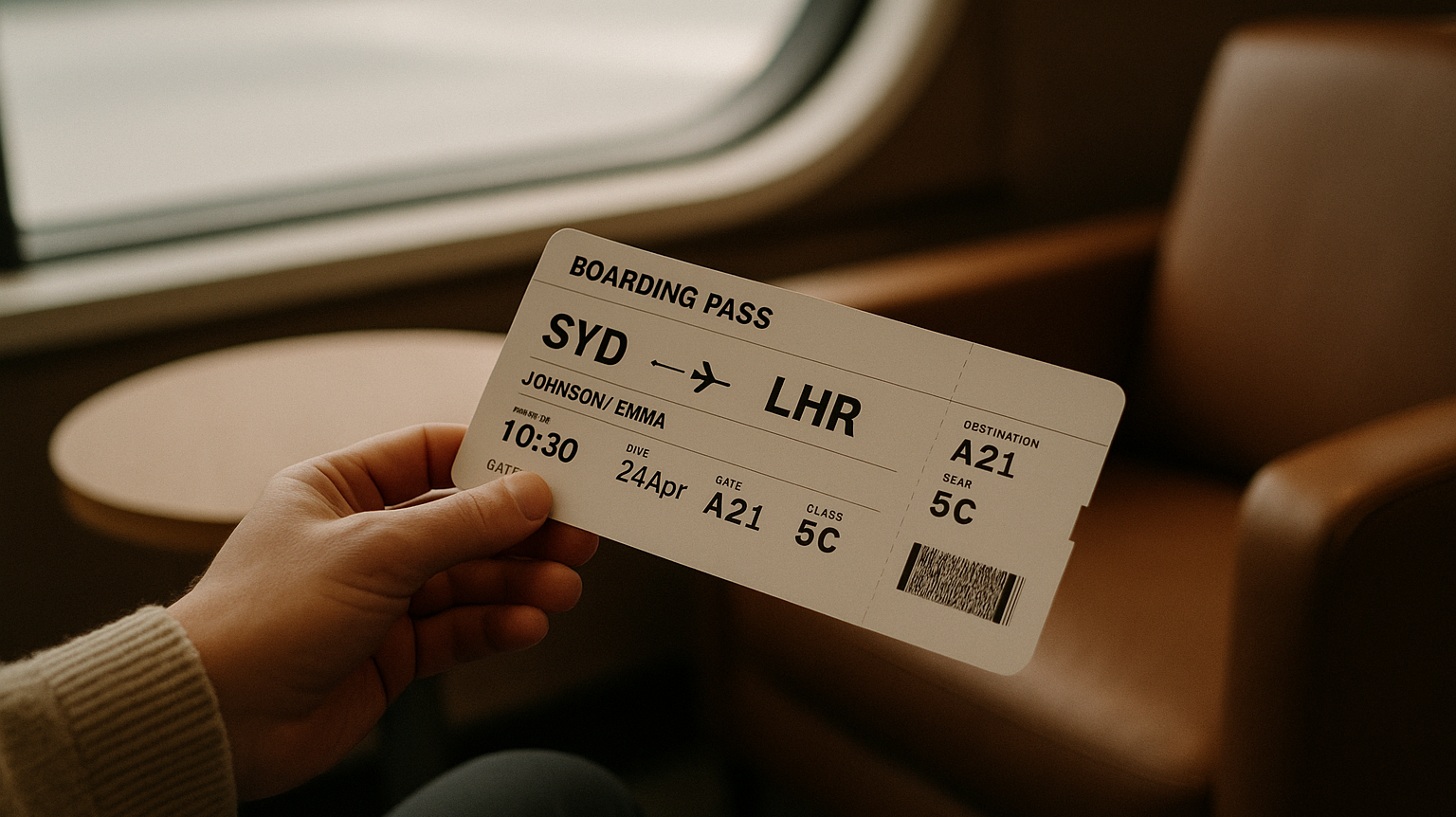
Your boarding pass, maps, tickets, translations, transit cards — all can live on your phone.
Digitise:
-
travel documents
-
boarding passes
-
museum tickets
-
city maps (offline)
-
restaurant lists
-
journal notes
-
guidebooks
Replace paper weight with pocket convenience.
5. Master the “Core Four” Urban Essentials
Every city rewards preparedness — but not overpacking.
Your entire daily kit should fit in a single small pouch.
The Core Four for urban explorers:
-
Power — a small charger
-
Water — compact bottle
-
Capture — phone or compact camera
-
Cover — ultralight rain shell or foldable umbrella
Handle power, hydration, memory, and weather — and the rest is optional.
6. Choose Multipurpose Tools
Minimalism doesn’t mean fewer experiences — it means smarter ones.
Swap single-use items for multi-use essentials:
-
scarf → warmth, shade, towel, blanket
-
compact pen → journaling, documents, signatures
-
UV umbrella → shade + rain protection
-
microfiber cloth → screen + lens + glasses
Every item should earn its space.
7. Learn the Art of Washing As You Go
When you embrace the reality that cities have washing machines, your suitcase transforms.
Instead of 7 days of clothes, pack 3 days — and wash one evening.
This simple shift reduces packing volume by 60–70%.
Urban explorers don’t plan their wardrobe.
They refresh their uniform.
8. Bring One Signature Item That Elevates Every Photo
This is your visual anchor — the detail that makes your travel photography feel cohesive.
Examples:
-
a black ANTIPODE tote
-
a worn leather notebook
-
an Akubra hat
-
a scarf in a signature color
-
a minimal coffee cup
It’s not about fashion — it’s about continuity.
Cities are chaotic; your images don’t have to be.
9. Embrace the Flow of the City
Cities reward travelers who can move freely:
-
jump on a train
-
wander without a map
-
follow light
-
follow sound
-
follow aroma
-
follow instinct
The lighter your bag, the more flexible your journey.
And the more flexible you are, the more a city opens up its hidden moments:
A rooftop.
A market corner.
An alley café.
A quiet riverbank.
A perfect photograph.
Minimalism is not restriction — it’s invitation.
10. Leave Space for What You Find
The goal isn’t to arrive full.
It’s to leave with something unexpected:
-
a book from a local shop
-
a ceramic cup
-
a vintage print
-
a photograph you took
-
a story you didn’t plan to live
When you travel light, you leave room for discovery.
Final Reflection
Urban exploration thrives on agility.
The less you carry, the more you see — and the more you feel present in the city around you.
To travel light is to travel with intention.
With curiosity.
With freedom.
And with a readiness to meet the world with open hands — not full ones.