Remote Work as a Cultural Shift
How a Quiet Change in Routine Became a Redefinition of Modern Life
Remote work didn’t arrive with noise. It arrived quietly — first as a convenience, then as a necessity, and finally as a cultural transformation. What began as a temporary solution has become a structural shift in how people live, move, travel, and define “home.”
It is one of the rare moments where technology, lifestyle, and global mobility aligned to reshape daily life. Not with grand revolution, but with subtle, persistent change.
A Redrawing of Maps
Remote work makes geography flexible.
Cities once chosen for proximity to an office are now chosen for light, space, community, coastline, or calm.
People began leaving capitals for smaller cities. Crossing borders for better weather. Reconsidering what “a good life” looks like.
Work stayed the same — but the backdrop changed entirely.
This shift rewrote the atlas of modern living: Lisbon, Melbourne, Singapore, Austin, Copenhagen, Mexico City — cities redefined not by their industries but by their livability.
The Rise of the Global Worker
The modern worker is no longer tied to one desk, one skyline, one currency. Remote work made it possible to carry your office in a backpack — a laptop, headphones, strong Wi-Fi, and a café or co-working space nearby.
A new identity emerged: the global professional — not a tourist, not an expat, something in between.
Rooted in movement.
Defined by flexibility.
Shaped by the idea that life doesn’t have to orbit an office tower.
This mobility has created new micro-communities — in cafés, shared houses, airport lounges, and cities with good weather and better coffee.
The Blurring of Work and Life
Remote work didn’t just change where we work; it changed how we work.
Days became less linear.
Commutes disappeared.
Routines softened around personal preference.
Work could start early, pause for sunlight, continue after dinner.
Life expanded into the spaces once occupied by rigid schedules.
This rhythm — calm, human, flexible — became a new cultural norm, reshaping everything from parenting to creativity to mental health.
A New Relationship with Home
As work moved into homes, homes became more intentional.
Living rooms turned into quiet offices.
Balconies became phone booths.
Kitchen counters became creative spaces.
Interior design shifted toward comfort and clarity. Minimalism spread — not as a trend, but as a practical choice. A more spacious, uncluttered home made remote life feel lighter, calmer, more efficient.
Home became not just a shelter, but a workspace, sanctuary, and backdrop for living.
The Slow Re-Engineering of Travel
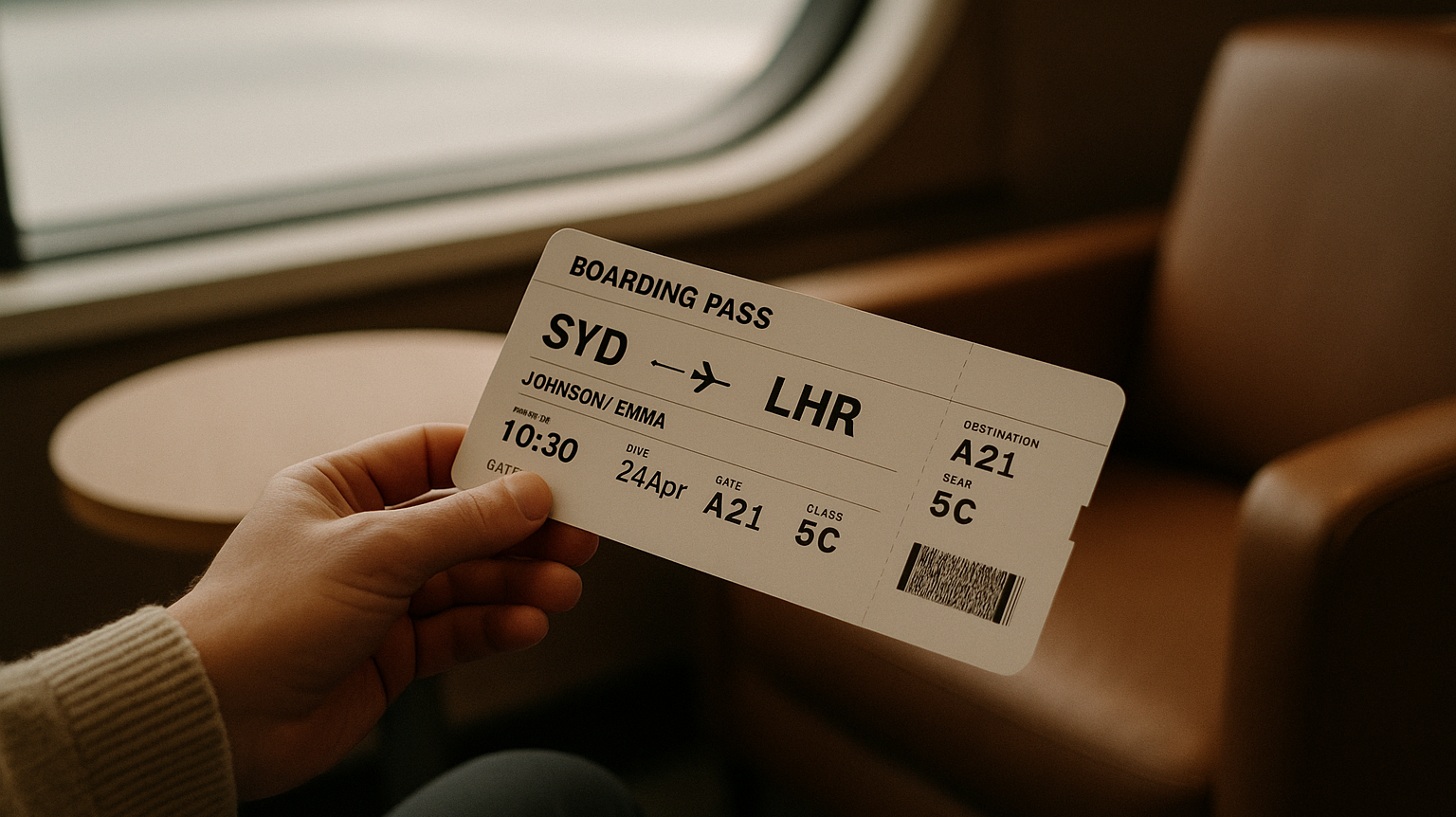
Remote work also changed travel. It blurred the line between “holiday” and “work trip,” creating the long-stay movement — one month in Tokyo, two in Barcelona, a winter in Perth.
Airbnbs became temporary cities.
Suitcases became mobile wardrobes.
Time zones became a creative constraint.
For the first time, travel wasn’t an escape from work — it could co-exist with it.
This blending created a new category: lifestyle mobility — movement not for tourism, but for living differently.
The Culture of Choice
More than anything, remote work gave people choice — a rare luxury in modern life.
Choice of city.
Choice of routine.
Choice of pace.
Choice of how life should look, not just how work should look.
And when people are given choice, culture shifts.
A Quiet Revolution
Remote work will not be remembered as a technological breakthrough. It will be remembered as a cultural one — a moment when millions quietly rearranged their lives around what matters: time, light, autonomy, and the simple freedom to design a day.
It is a revolution without slogans, without manifestos.
Just a laptop, a stable connection — and the knowledge that the world is suddenly wider.